Summary
Bright colors , clean aura , and the return offlowerdisplays are all made potential by spring andthe daffodil is specially notable among them due to its beautiful var. and smart blossoms . As the seasons change , they maturate in open William Claude Dukenfield , gardens , and by the side of roadways . However , different types of daffodils are not all alike . Some are rare , with pink , blank , or deep orangeness shades . A unexampled project go for to find the lost flush before they go away forever .
The flower are being tracked and memorialize by the Royal Horticultural Society ( RHS ) across the United Kingdom . Until March 1st , Saint David ’s Day , flower lovers are able tohelp with their written report by submitting locations , color , and character tothe website . The search for colourful flowers will help experts learn more about the blooms and keep rare variety from fade away .
The History Behind the Hunt
The RHS has a longstanding involvement with theflowers
The blooms were historically associate with sweet starts . As winter comes to an ending , their bright yellow blush appear , warm up cold environment . Every class when they return , the days farm longer and spring blossoms appear in gardens and along commonwealth roads . They represent good fortune and optimism in many cultures .
The RHS and the Fight to Save Daffodils
Disease and shifting landare only two of many challenges daffodils have had to face . For more than a century , theRHShas been focalize on explore and preserving their beautiful peak .
The former 1900s saw one of the most substantial developments indaffodilconservation . In the UK at the time , bulbs were being destroyed by a fiddling bug known as an eelworm .
fundamental Event

Image credits:Alex Manders via Shutterstock
verbal description
former 1900s : Eelworm Threat
Farmers and gardener noticed their plants were bomb . A microscopical pest called an eelworm was lash out thebulbs , do the flowers to weaken and die .

Image credits:helovi via Canva
James Kirkham Ramsbottom ’s Discovery
In 1924 , RHS scientistJames Kirkham Ramsbottomdeveloped a method to stop eelworm . He find that placing electric light in hot piddle for a set prison term would kill the pesterer without harming the plants .
Recognition and Impact
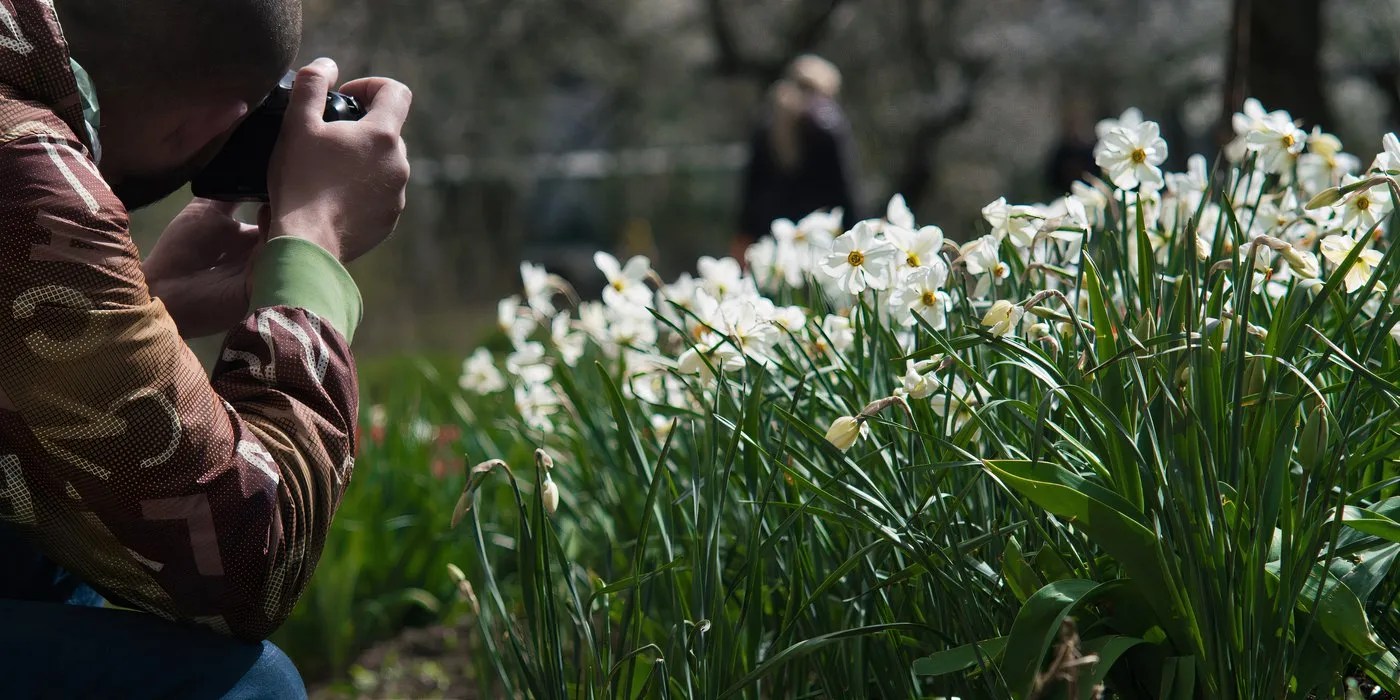
Image credits:Eugene B-sov via Canva
Ramsbottom was present theBarr Memorialfor his work . His treatment save manytypes of daffodilsfrom vanish and is still used today .
The “ DaffodilDiaries ” project mark 100 long time since Ramsbottom ’s discovery . By cross them today , the labor continues his work , help future generation enjoy them for years to come .
How to Participate in the Flower Hunt
It’s possible to get involved and log your finds
Taking part in the hunt helps maintain the beauty of spring for future generations . Manyrare varietieshave not been see in years , and logging their locations may facilitate bring them back .
gardener , business owner , and nature lovers all represent a role . A café withflowersoutside can record its blooms . A home gardener can check their railyard for unequaled varieties . Even a simple walk through a commons may lead to an exciting find .
How to Log aDaffodilSighting
The project work from February 12 through March 1ˢᵗ. During this time , sighting of different types ofdaffodilsacross the UK will be commemorate . Participants must observe key point before accede their findings .
Step
Details

Image credits:Rebekah Zemansky via Shutterstock
place a Flower
reckon in garden , park , roadsides , and undetermined field for bloomingcolorful flowers .
immortalise the Key Details

Image credits:teerawut111 via Canva
Write down the locating , flower color , case ( if known ) , and approximate height .
Submit the Sighting
Upload the info to the task ’s prescribed website ( Daffodil Diaries ) or a participating conservation mathematical group .
How Sightings Help with Research
Trackingdaffodillocations provides useful information for scientist and conservationists . Each submission adds to a grow database that will help in several ways :
Using a small notebook or a phone app to log sightings makes it easier to organize inside information before submit them . Taking a clear photo of each plant also helps with identification .
The Search for Rare and Endangered Cultivars
Some sightings are more sought-after than others
Some plant are easy to regain , but others have almost disappeared . The rare varieties take authoritative clues about garden story and plant diversity . They were once grown in homegardensand public spaces , but changing landscapes and new flowertrendscaused them to blow over off . Finding them again may help protect old varieties and keep them grow for future generations .
Three RareTypes of Daffodilsto Watch For
A few of thecolorful flowersare so rare that expert are unsure if they still survive . The RHS has named three varieties as top priorities in the search !
Variety
Mrs R group O Backhouse
The first read pinkdaffodil . It has a deepcoral - pinktrumpet and ivory petals . The variety was once a favourite among gardeners but is now hard to find .
Mrs WIlliam Copeland
A white , twofold - flowered plant with soft , ruffled petals . It has not been sold in recent years , and its current positioning are unknown .
The Sussex Bonfire
A strikingyellowand orange cultivar with double - layered petal . Despite honorable mention in horticulture platter , no confirmed sightings subsist .
Why Finding Them Helps Future Breeding
Rare , colored blossom may hold back unique trait that could be useful in next gardening andconservation efforts . Each rediscovered works tot up to scientific knowledge and helps with plant procreation :
If a rarified flower is spotted , it should stay in its born mount . hit the flora may harm its power to grow and preclude researchers from consider it in the environment where it thrives .
Why SpecificDaffodilConservation Matters
They hold historical and cultural significance
The plants are more than bright spring blooms . They look in literature , art , and folklore , symbolizinghope and refilling . Their history stretches back hundreds of eld , with gardeners breeding new variety to make different chassis and colors . They also make for an of import role in nature , attractingpollinatorsand adapting to different landscapes . consider them helps preserve both gardening custom and the lifelike rest of plant life-time .
How Mapping Plants Helps Scientists
Tracking colorful flowers across theUKgives scientist valuable information . Each recorded sighting tot up to explore on howflowersgrow and exchange over time .
Research Focus
broadcast and Environmental Influence
Mapping location shows where they thrive and which conditions facilitate them grow best . Soil type , nearby plants , and human activity all affect their achiever .
shock of the Changing environs
Changes in temperature andrainfallinfluence when and where they bloom . Tracking this helps scientists see long - terminus formula in plant demeanor .
Consumer Preferences
Studying which varieties citizenry originate or buy helps experts empathise trend . The knowledge supports preservation efforts and future breeding programs .
Bringing the Past into the Future by Preserving RareDaffodilHybrids
Modern horticulturists and environmentalist are working to ensure that rare blossom do n’t disappear . Their efforts help bridge the past with succeeding generation of gardener by creatinghybrids :
Every variety has a story . protect them keep a man of chronicle alive while supporting biodiversity in gardens and wild quad .
The Future ofDaffodilConservation
Raretypes of daffodilsmay be hidden in gardens , fields , or along country road . Finding them helps protect their history and keeps them get for succeeding generation . Each sighting adds to the effort to conserve theflowers , control that unequaled colors and varieties are not lost over time .
Every mortal who joins the search plays a part in keeping thecolorful flowersalive . lumber a simple bloom sighting may facilitate experts learn more about how plant survive and circulate . With time and aid , blooms of all kinds will stay to brighten outpouring landscapes for age to come .
